I Panicked When I Heard Budget 2026. Here's What I Know Now.
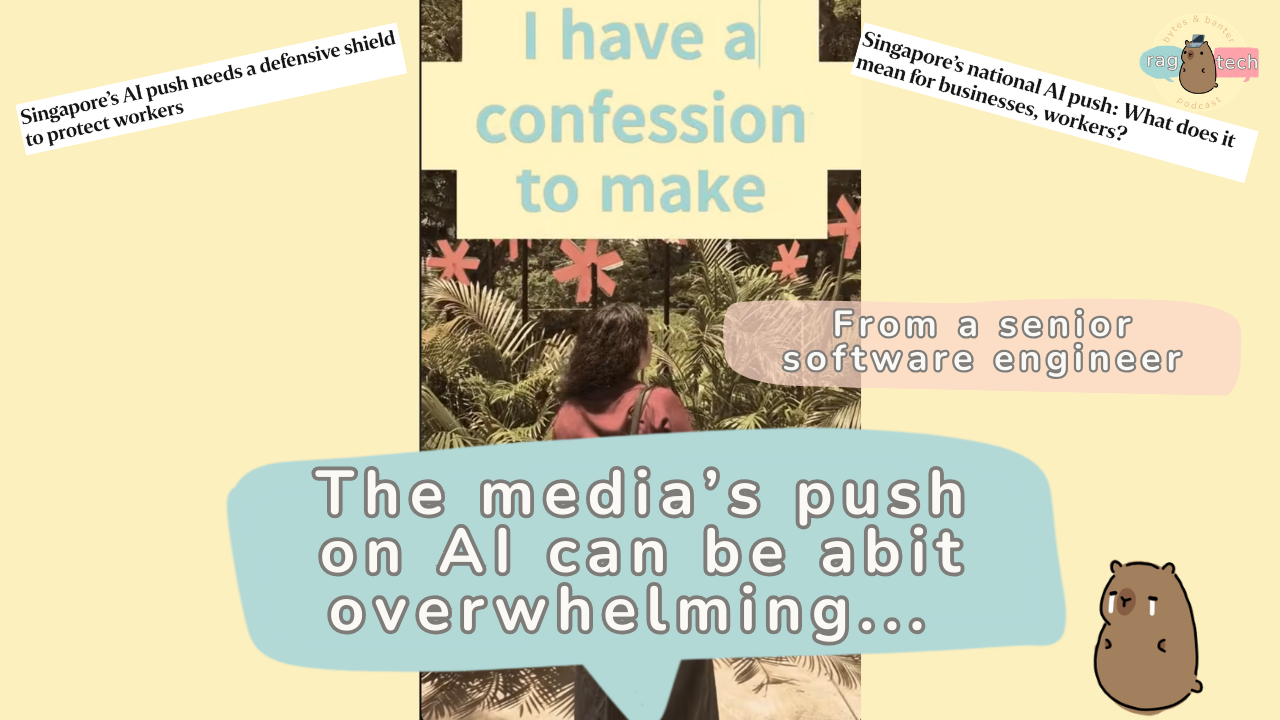
When Budget 2026 dropped and AI was everywhere, I lowkey had an anxiety spiral.

Image from Psychology Today
Not for myself, but for the people around me.
I'm a software developer with 10 years of experience. I use AI tools every day. So yes, I get it. But the moment I heard about the National AI Mission, my first thought wasn't about me. It was about my friends, my women devs community here in Singapore, the people in my circle who were already feeling uncertain about their jobs and their futures.
I'm very community-minded. When my people are anxious, I feel it too. And I knew this announcement was going to create more anxiety than it would take away.
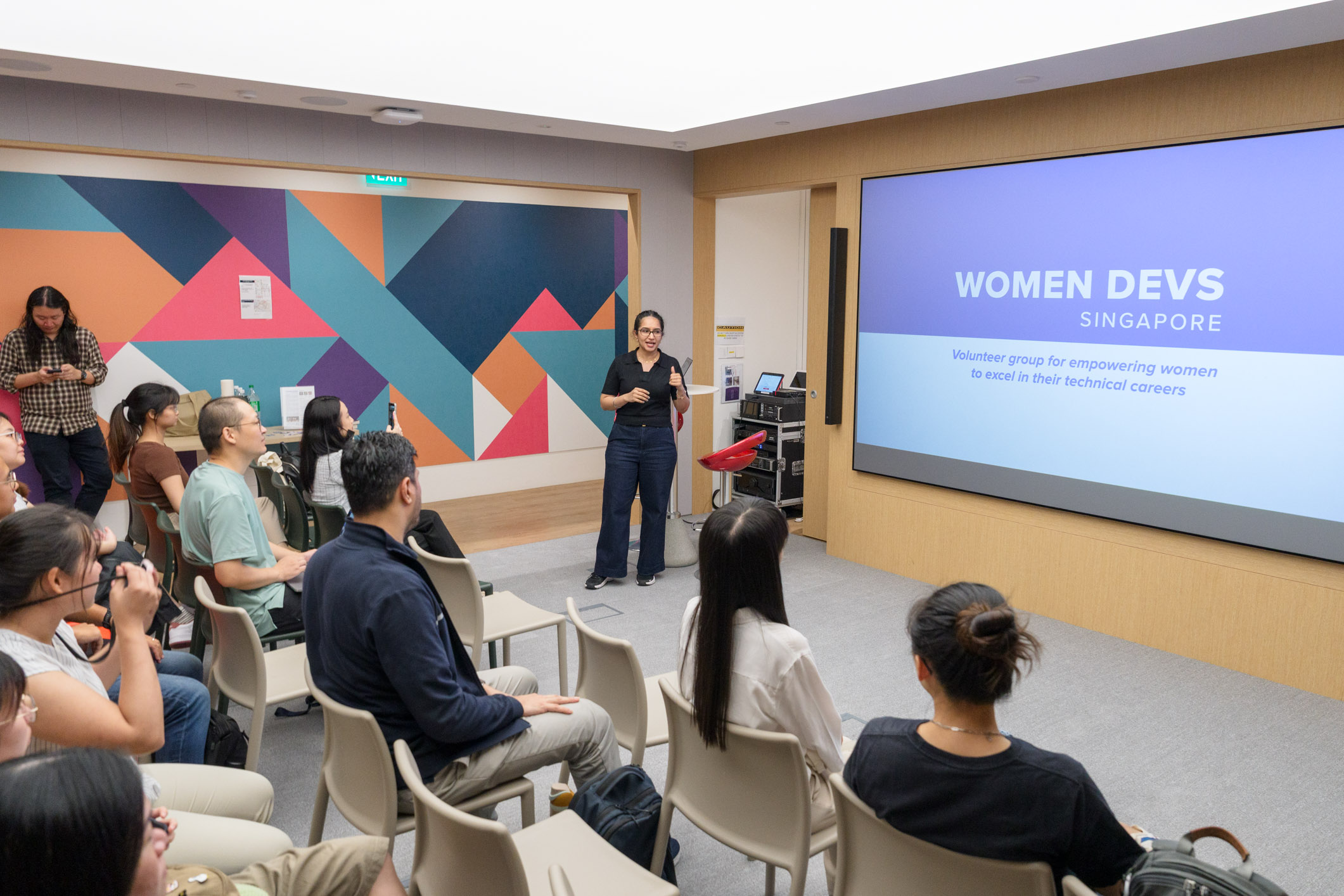 Saloni with members of her tech community in Singapore
So I went and actually did some reading. Because if I was feeling this way as someone who works with these tools, I could only imagine how it was landing for everyone else.
The anxiety isn't really about AI
When I dug into my own reaction, I realised the discomfort wasn't really about the technology. It was about the weight of importance the government was putting on people, again, through another big plan and another big initiative.
There is so much importance put on people through these plans. Upskill. Reskill. Keep up. And when you hear that from the top, over and over, it gets heavy.
But I do see AI as a tool more than a threat. So my anxiety was more for the people around me than myself. Because if it felt heavy to me as a software dev, it would feel even heavier to people who are less familiar with these tools.
That's what made me want to understand it properly, so I could share what I found.
Singapore is not doing this alone
The first thing that genuinely helped: Singapore is not uniquely obsessed with AI. It just sounds that way because we live here.
The UAE appointed the world's first AI minister back in 2017. India launched a national AI mission in 2024 with a $1.2 billion USD budget. The UK, France, the US, they are all running some version of exactly this. China has had a national AI strategy since 2017.
Every major economy in the world is doing what Singapore just announced. Singapore just sounds more intense because we are small and we execute fast. Other countries are doing the same thing across twelve different ministries and years of policy documents, so it does not hit their citizens the same way.
We feel it more because Singapore moves tightly and quickly. Not because what is being asked of us is unfair.
Once I understood that, it stopped feeling like an attack and started feeling like context.
Why the government is pushing this
There are real structural reasons why this matters specifically for Singapore.
Singapore has no oil, no vast land, no huge domestic market. It has always competed through people: through how skilled and adaptable its workforce is. PM Wong said it directly in his Budget speech: AI "can help us overcome our structural constraints, our limited natural resources, rapidly ageing population, and tight labour market."
By 2030, one in four Singaporeans will be 65 or older. The labour market is already tight. If Singapore cannot find ways to do more with fewer people, the numbers get uncomfortable fast.
And they are doing three things to help: building a plan to ensure Singapore does not face joblessness, subsidising training programmes to help people upskill and reskill, and attracting more AI startups to come here.
When the government makes something a national mission, it signals seriousness. That is part of what triggered my anxiety. But it also means real resources are being put behind it.
What AI literacy actually means
Here is where I want to be honest with you, as someone who works in this space.
A 2 or 3 day course is not going to make you AI literate overnight. It is a start, but it is not a finish. Real fluency comes from hands-on practice, especially at work, over time.
The AI world changes so fast that what you learn today might be outdated in two months. The specific tools and models are shifting constantly. So what matters more than any single course is learning to be adaptable, and investing in having stronger foundations in your own craft.
For me, that craft is software engineering. For you, it might be marketing, finance, HR, operations. Whatever it is, that foundation is what lets you use AI well and catch it when it gets things wrong, because it will get things wrong.
AI makes mistakes. Sometimes obvious ones, sometimes subtle ones. You need to be sharp enough in your field to catch them. So the real skill is not just using AI. It is knowing when to trust it and when to question it, knowing where your mind needs to be fully switched on and where you can safely delegate.
It is almost like: use it, but not completely. Keep your original skills sharp and also hand off some of the repetitive work. That balance is what this transition actually looks like. And it is bigger than the cloud transition. It is bigger than when Google Search entered our lives.
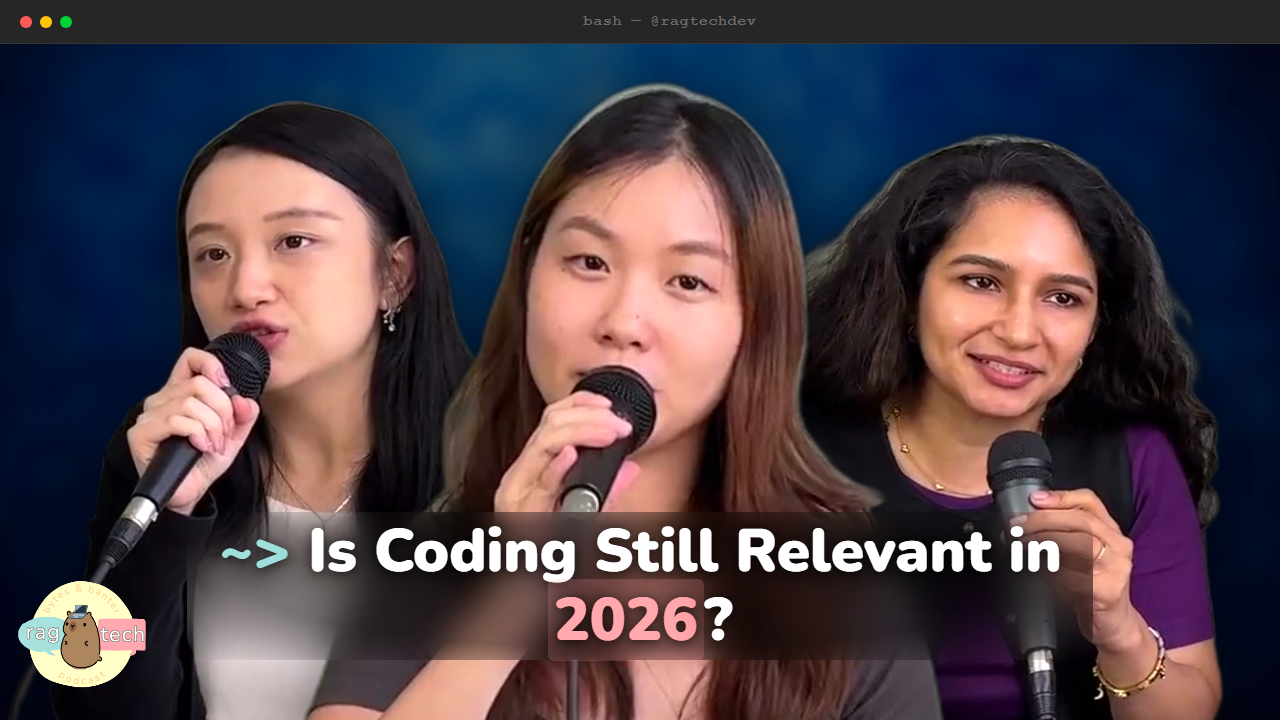
We actually talked about this pressure to keep up, and what AI burnout really looks like, in one of our episodes:
The support is actually there
Once I understood the why, the practical stuff started to feel more manageable.
Singapore has over 1,600 AI courses on the SkillsFuture catalogue. I know that sounds overwhelming, but the government is also launching a self-diagnostic AI readiness tool on the MySkillsFuture portal by mid-2026, so you can figure out where you actually are and which courses match your level and role.
The financial support is real. SkillsFuture credits, SSG subsidies, UTAP, and PSEA can bring course fees down dramatically, often close to zero. Budget 2026 also adds six months of free access to premium AI tools if you complete qualifying training, so you can actually practise with real tools, not just watch videos.
They are not just announcing a mission and leaving us to figure it out alone. That part genuinely helped.
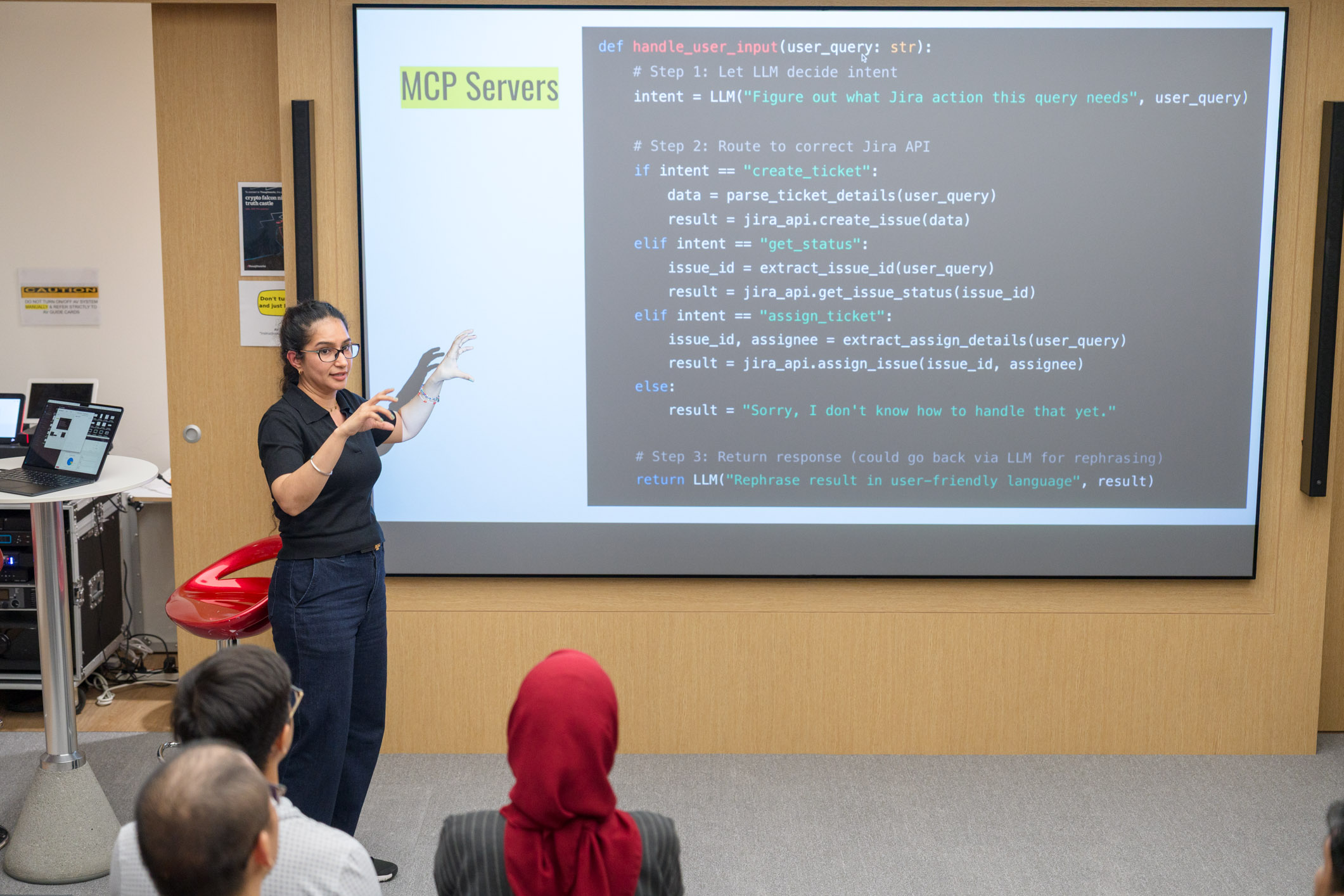 Saloni speaking at a community workshop on AI and software development
Where I landed
I felt this need to help my community ease into this transition without feeling overwhelmed. Because those who do not engage with AI will get left behind. That is the reality. But the solution is not panic. It is starting somewhere, staying curious, and building up from there.
You do not need to become an AI expert. You need to be aware, adaptable, and grounded in what you already know how to do well.
Start small. Use the subsidies. Keep your craft sharp.
We will figure out the rest together.
Watch Saloni's reel on her initial reaction to the AI Mission SG announcement!
Saloni is one of the co-hosts of ragTech, a podcast by Natasha Ann Lum, Saloni Kaur, and Victoria Lo where real people talk about real life in tech. Our mission is to simplify technology and make it accessible to everyone.
Recommended Articles
Subscribe to our newsletter!
Read articles from ragTech directly inside your inbox. Subscribe to the newsletter, and don't miss out.