Johor Data Center Protest: What We've Learned About Ecosystem Accountability

Last month, we reported on Malaysia's first data center protest in Gelang Patah, Johor. Over 50 residents gathered outside a construction site, unable to dry their laundry because of dust, watching air purifiers signal dangerous pollution levels, and worried about water security.
Our coverage reached over 220,000 people on Instagram/Tiktok. And since then, we've learned a lot more.
What We Got Right, What We've Learned Since
Our original coverage drew from reporting by the South China Morning Post, The Business Times, Lowyat.NET, w.media, and The Star. We cited Johor's own decision to halt approvals for Tier 1 and 2 data centers, which officials confirmed could consume up to 50 million liters of water per day.
We're a part-time, community-run podcast. Desktop research from credible public sources is what we do. And it was enough to get the story substantially right, as what's come out since has confirmed.
Since then, we've also been in contact with a representative from ZDATA. And we want to share what we've learned, because this story is bigger than one company or one protest.
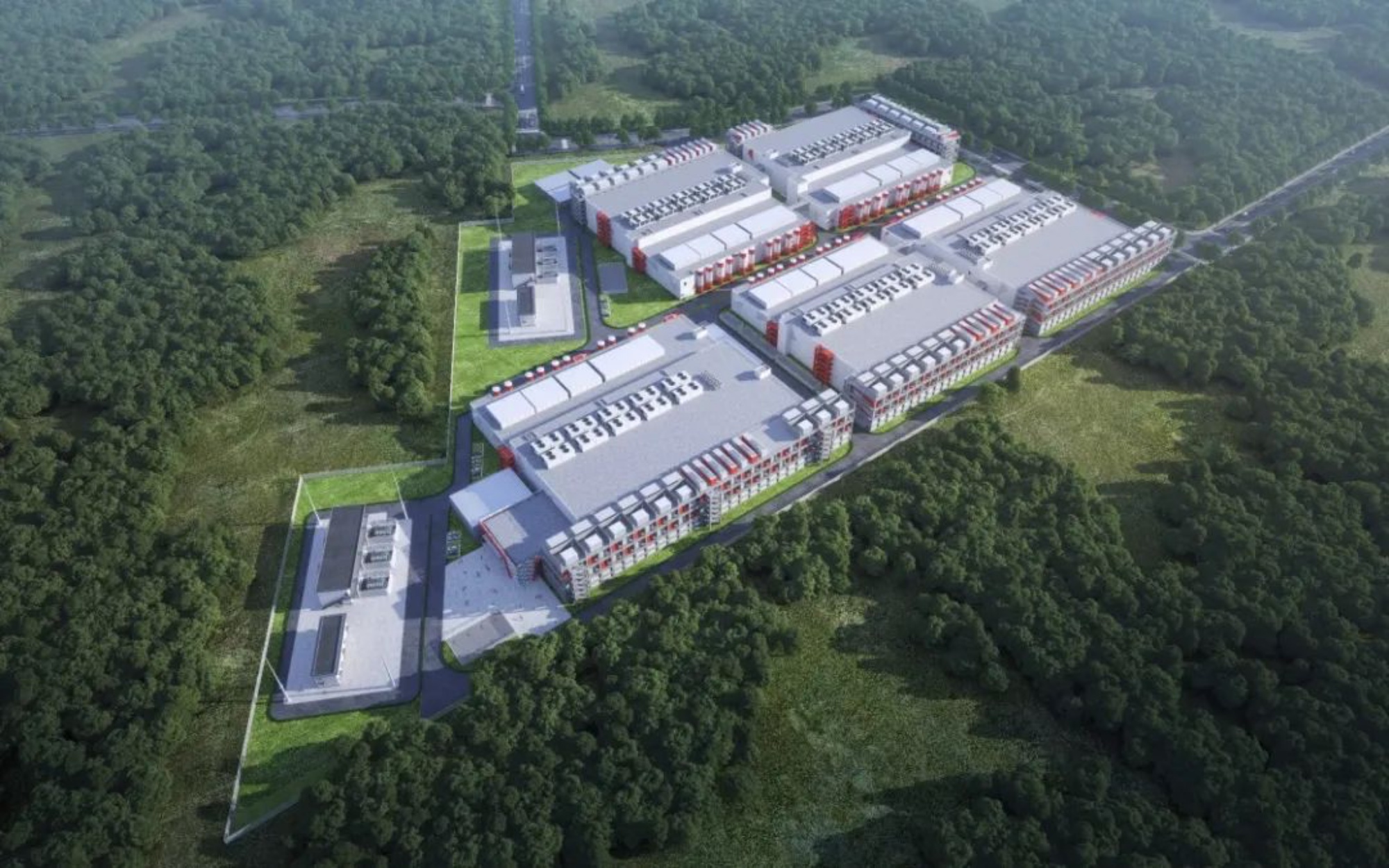 Source: Lowyat.NET
Water: The Good News, and the Open Questions
In our original coverage, we cited the 50 million liter figure in the context of Tier 1 and 2 data centers. To be precise: that figure applies to those tiers generally, not ZDATA specifically.
ZDATA told us, and we're quoting them directly:
ZDATA datacenter in Tropicana campus runs entirely on treated reclaimed wastewater from nearby residential areas and does not use any municipal tap water for domestic use. 8 MLD (million liters a day) of reclaimed water can support usage of Phase 1 to 3 of its data center development.
We asked them what tier their facility falls under, because that determines the actual water demand. Their response, verbatim:
Classification of a data centre is not within the company's jurisdiction.
State officials have also not disclosed the tier publicly.
Now, the reclaimed water initiative is genuinely a good thing. ZDATA is part of a broader shift happening across Johor. Through the IWK-JSW partnership, the national sewerage company is supplying up to 12 million liters per day of treated effluent to data centers including ZDATA's Malaysian subsidiary, Computility. Malaysia's water regulator, The National Water Services Commission SPAN, has made this mandatory policy—the goal, in their words, is zero reliance on potable water within three years.
That's real progress!
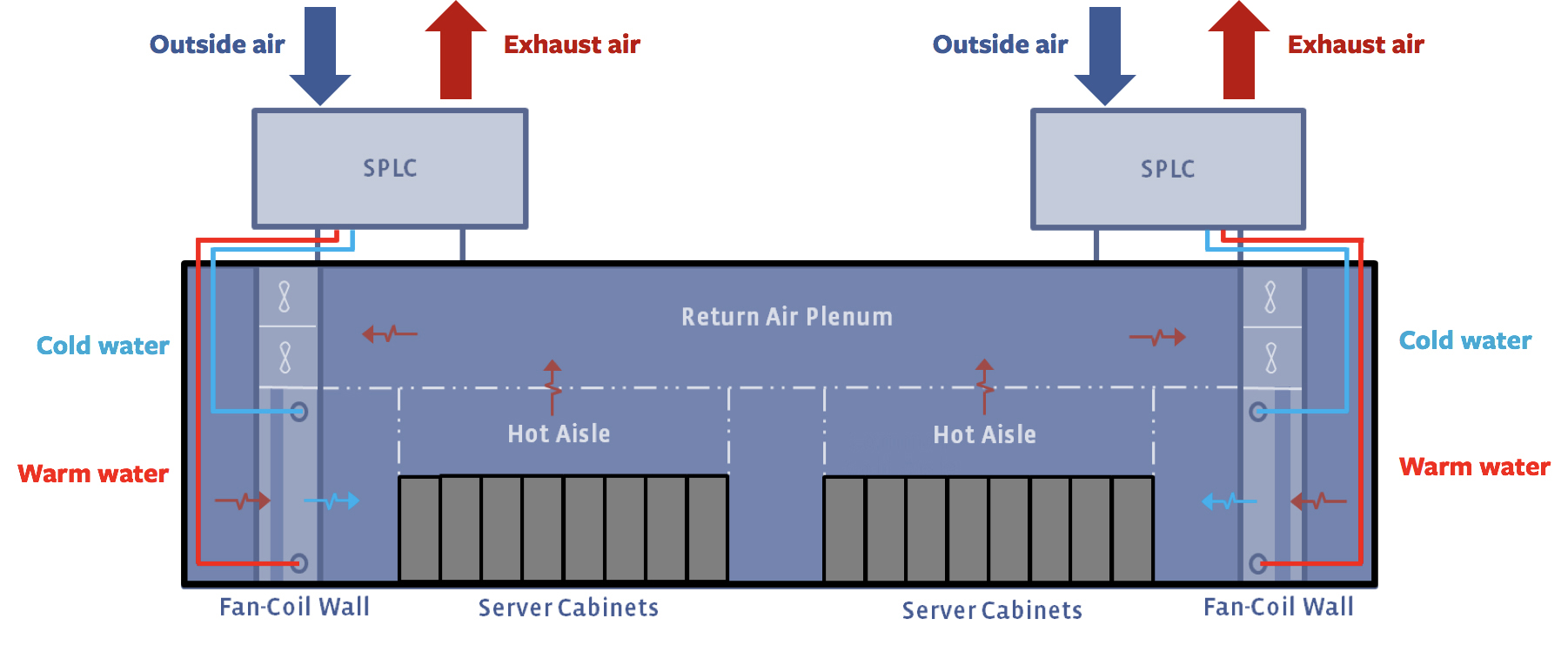 Illustration from Meta Engineering: Massive cooling infrastructure required for data center operations
But two questions remain open. One: the 8MLD (million liters per day) figure covers Phases 1 to 3 of development, not full operations. We still don't know the total operational water draw once the facility is fully built out.
And two: reclaimed water is still water. It comes from the community. As SPAN itself has noted, Malaysia's 104 data centers collectively require 876 million liters of water per day—roughly the daily needs of four million people. The shift to reclaimed sources is important, but the question of long-term resource planning remains a live one.
Dust and Accountability: The Ecosystem Point
On dust pollution, ZDATA told us, verbatim:
The dust pollution is caused by the Master Developer. The Master Developer's remedial efforts is not within our control.
This is confirmed by the official government statement from YB Datuk Pandak Ahmad, following the February townhall: the dust was from Tropicana Firstwide's earthworks, and ZDATA's own construction was nearly complete.

But here's where we'd push back a little. This is the bigger picture we think matters:
The responsibility for what happens on a data center site doesn't rest with the operator alone. It runs through the whole ecosystem—the landowners and master developers who set conditions on the ground, the contractors who execute them, the governments who zone and approve, and yes, the operators who move in.
ZDATA committed in their AIIB loan application to a grievance redress mechanism—a formal process for residents to raise concerns. We asked about it. Their response was that they've supported community activities like mosque-building in the past 18 months. We quote that verbatim:
ZDATA has in the past 18 months supported mosque building, etc—we can supply contact details of Resident Association Heads who can verify. The company does not publish these grassroot stakeholder engagement activities.
We appreciate the community engagement. But building a mosque and setting up a formal grievance mechanism are two different things. Residents need to know—in advance, in writing, in a language they understand—where and how to raise concerns. That's what the AIIB commitment required. That question remains unanswered.
Government's Role: Regulation Playing Catch-Up
On zoning, ZDATA pointed us to the government and local planning guidelines when we asked about the facility's proximity to homes. And they're right that operators follow the rules that exist.
But that's exactly the point: the rules need to keep up.
Johor's reactive ban on new Tier 1 and 2 approvals, SPAN's new mandatory water guidelines, and Prime Minister Anwar Ibrahim's recent freeze on non-AI data center development—these are all signals that regulation has been playing catch-up with development.
SPAN chairman Charles Santiago put it plainly: "We don't want a situation where data center operators have water and regular Malaysians don't have water at home."
 Image from IMDA: Singapore's Green Data Centre Standard shows what proactive regulation looks like
The good news? Malaysia is responding. The guidelines are there. The political will seems to be building. But the pace of development means the government needs to stay ahead of this, not behind it.
Why This Location Matters
Here's a critical detail that makes this project different: the ZDATA facility is located less than one kilometer from residential homes.
This is unusual. Most data centers in Malaysia—and globally—are built in dedicated industrial parks, former plantation lands, or areas far from residential dwellings.
When you build critical infrastructure this close to where people live, community engagement isn't optional—it's essential.
 Image from DGTLL: Singapore-Malaysia corridor is a strategic hub for data center development
The Technical Reality: Why Build Here?
From a technical standpoint, the Singapore-Malaysia region is a strategic hub for data center development. If you've ever wondered why tech giants are racing to build here, the answer lies in fundamental principles that software engineers, DevOps engineers, and cloud architects deal with daily.
Latency Matters
When you're deploying applications or architecting cloud solutions, one of the first rules is: choose a data center as close to your users as possible. Every millisecond counts.
Southeast Asia has over 700 million people and is one of the world's fastest-growing digital markets. To serve this region effectively, you need data centers in the region.
The Strategic Sweet Spot
For roles managing multi-region deployments, the Singapore-Malaysia corridor offers:
- Geographic redundancy: Place primary infrastructure in Singapore, disaster recovery in Johor—close enough for low latency, far enough to avoid single points of failure
- Network connectivity: Singapore is one of the world's most connected cities, with extensive submarine cable networks
- Availability zones: Multiple data centers in close proximity enable high-availability architectures
 Image from DGTLL: Cloud Regions and Availability Zones Example Diagram
This technical reality, combined with regulatory differences, makes Malaysia—particularly Johor—an attractive alternative. Companies get proximity to Singapore's highly connected digital infrastructure, lower operational costs, and fewer regulatory hurdles.
By mid-2025, Johor had approved RM164.45 billion (S$53.2 billion) in data center investments, attracting tech giants like Amazon, Oracle, ByteDance, and Alibaba.
But this growth came at a cost that residents are now refusing to pay silently.
How Responsible Companies Do It Differently
Not all data center companies operate the same way. Let's look at concrete examples.
Equinix, one of the world's largest data center providers, takes a fundamentally different approach. According to Raouf Abdel, Equinix's executive vice-president of global operations, the company engages with local communities up to a year before construction begins to avoid backlash.
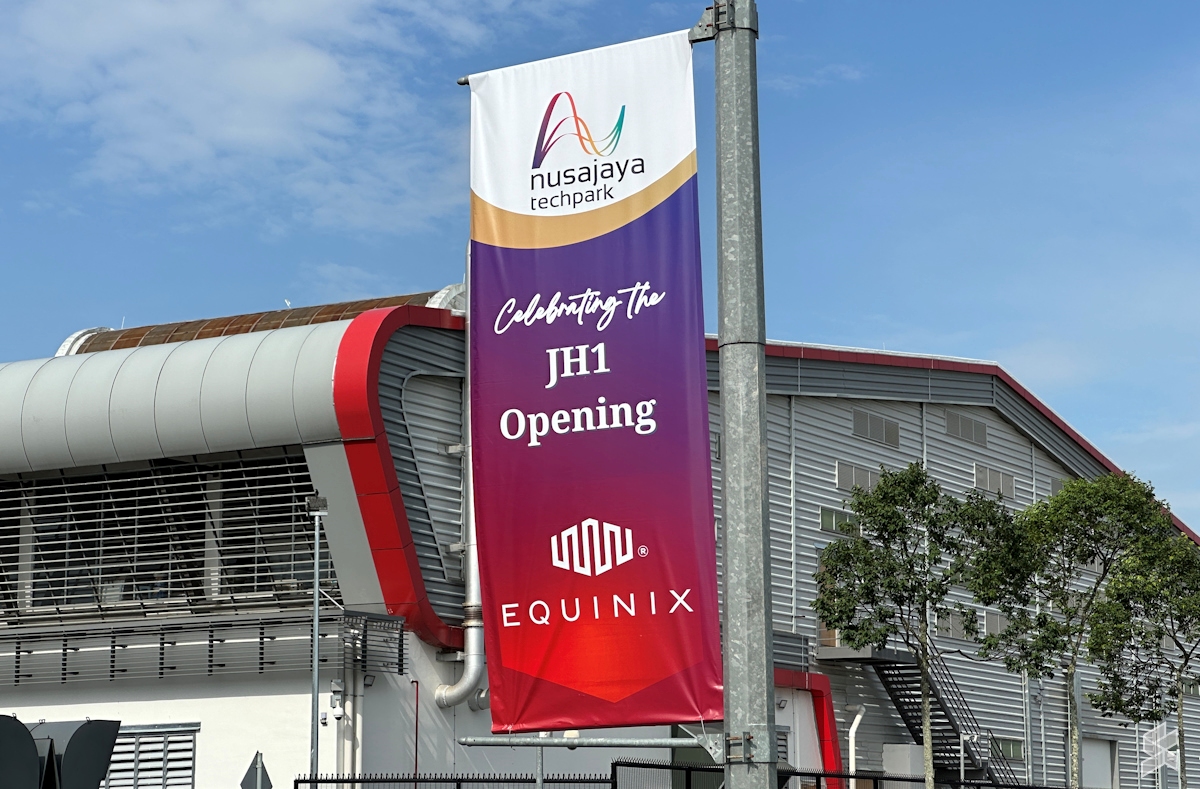 Photo from Soyacincau
This isn't just good PR—it's good engineering. When you engage early:
- You understand local resource constraints
- You can design systems that work with, not against, the community
- You build trust and social license to operate
- You identify and mitigate problems before they become crises
Other examples of responsible data center development include:
Sustainable cooling technologies: Companies like AirTrunk in Malaysia are using indirect evaporative cooling (IEC) combined with direct-to-chip liquid cooling, achieving a potential 20% reduction in energy consumption.
Renewable energy commitments: Google's USD $2 billion investment in Malaysia (announced May 2024) includes commitments to cloud and AI infrastructure powered by renewable energy.
Transparent disclosure: Responsible operators disclose their tier classifications, water usage projections, and environmental impact assessments before construction begins.

These aren't impossible standards, but industry best practices._
We're also glad to report news that ZData recently received a provisional GreenRE Platinum certification for water, energy and sustainability design. While the facility is not fully operational yet, this certification commits them to a benchmark for environmentally responsible digital infrastructure in the country. In their plans, they state the commitment to use 100% recycled water, and the use of renewable energy generated by solar farms.
Of course, we want to highlight these are commitments, i.e. promises, not something that has yet to be done since the facility is not yet operational. It will go down to residents, governments and the wider community to hold data centers responsible to their commitments - which is why we are bringing these news to light.
A Global Movement: Communities Demanding Accountability
The Gelang Patah protest isn't an isolated incident. Around the world, communities are pushing back against data center developments.
The Monterey Park Success Story
In California, just five residents in Monterey Park successfully stopped a massive data center project in just six weeks. Their strategy? They organized quickly, educated themselves about the project's impacts, and mobilized their community. The Guardian covered their victory, calling it a David-versus-Goliath story that shows what's possible when communities act.
 Illustration from Guardian: Communities worldwide are organizing against unsustainable data center developments
The Numbers Are Staggering
According to Truthout's reporting, between March and June 2025, communities worldwide cancelled or delayed $98 billion worth of data center projects. Two-thirds of targeted projects were halted or significantly modified.
These protests are happening because:
- Water scarcity is becoming critical in many regions
- Energy consumption is straining local grids
- Environmental impact is undeniable
- Community consultation is often minimal or absent
And crucially, these protests are being led by ordinary residents—not tech experts or environmental activists. People are learning how the technology that shapes their lives actually works, and they're demanding accountability.
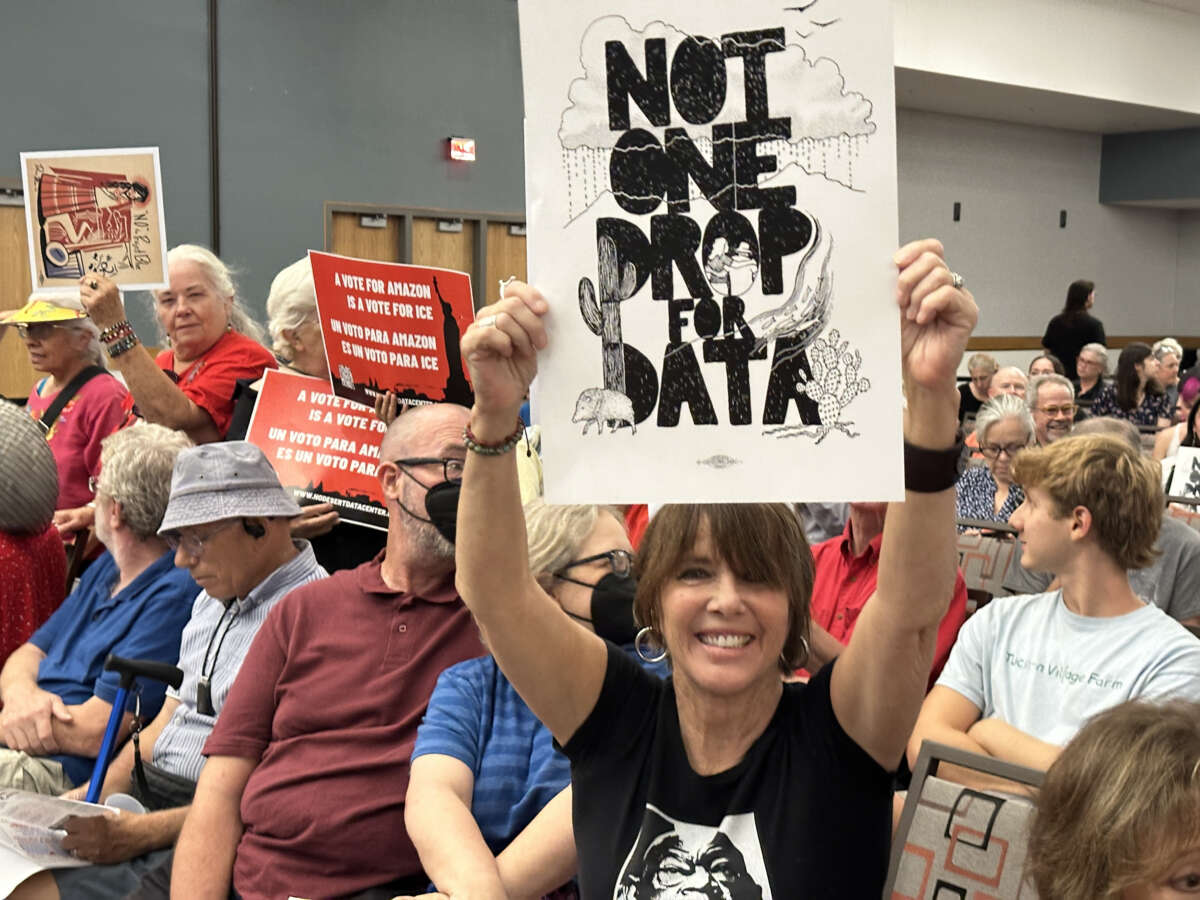 Illustration from Truthout: Tech literacy empowers communities to demand accountability
The Ecosystem Call: What We Take Away
Here's what we take away from all of this.
The Johor data center protest wasn't really about one company. It was an early signal of something bigger—what happens when a fast-moving industry meets communities and infrastructure that weren't ready for it.
The solutions aren't simple, and they don't lie with any one party. Data center operators need to be transparent and proactive—not just compliant. Contractors and master developers need to be held accountable by the companies that bring them in. Governments need to regulate ahead of the boom, not after residents are already in the street. And all of us—including the public—need to understand what's being built, why, and at what cost.
Tech literacy isn't about being anti-technology. It's about asking the right questions, and holding the whole ecosystem to account.
Why We're Speaking Up
Let us be clear about something: we are not anti-AI. We are not doomsayers afraid of technological progress or job losses.
We're tech professionals. We work in this industry. We're genuinely excited about what AI and advanced computing can do for society.
But precisely because we know how this technology works, we have a responsibility to advocate for doing it right.
We've already gone through decades of irresponsible, unsurveilled tech advancement that has had long-term impacts on society and the environment:
- Social media platforms that prioritized engagement over mental health
- Algorithmic systems that perpetuated bias and discrimination
- Data collection practices that violated privacy at scale
- Infrastructure projects that displaced communities without consultation
Turning a blind eye now, when some of us have the information and platform to speak up, is the irresponsible thing to do.
 Photo credit: Cambridge University
The Path Forward
There are better ways to build data centers. We know this because companies are already doing it:
- Early community engagement (Equinix's model)
- Transparent disclosure of tier classifications and resource consumption
- Sustainable cooling technologies that reduce water and energy use
- Renewable energy commitments to minimize carbon impact
- Strategic location selection away from residential areas
- Robust environmental impact assessments before construction begins
- Functional grievance mechanisms that give communities a voice
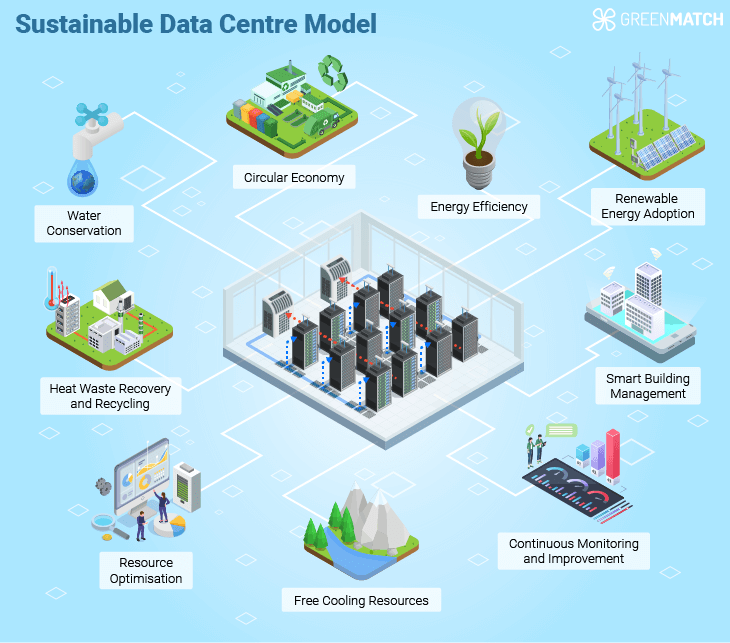 Illustration from Greenmatch
These aren't radical demands. They're reasonable expectations for any major infrastructure project in 2026.
And yes, they cost more upfront. But the alternative—cutting corners on community engagement and environmental planning—costs communities their water, their air quality, and their trust. That's not a trade-off we should accept.
What You Can Do
If you're a resident affected by data center development:
- Document everything: Air quality readings, water pressure changes, construction impacts
- Organize: Connect with neighbors and form resident groups
- Demand transparency: Ask officials to disclose tier classifications and water consumption projections
- Learn from other communities: The Monterey Park success story shows what's possible
If you're a tech professional:
- Ask questions about the infrastructure powering your applications
- Advocate for responsible practices within your organization
- Support community-led efforts to ensure sustainable development
- Share knowledge to help non-technical people understand what's at stake
If you're an investor or decision-maker:
- Prioritize companies with strong environmental and social governance
- Demand transparency in infrastructure projects
- Support sustainable practices even when they cost more upfront
- Remember that community backlash is expensive—prevention is cheaper than crisis management
Our Commitment
At ragTech, we'll continue covering stories like this. Not because we're against technology, but because we believe technology should serve everyone—not just those who profit from it.
We'll keep doing that. And we're glad you're here for the conversation.
Watch our Reel on These Clarifications
Listen to ragTech on:
References:
- IWK & JSW reclaimed water agreements - The Star, August 13, 2025
- SPAN water guidelines for data centres - Malay Mail / FMT / Straits Times, 2025
- SPAN: 876 million liters/day figure - Sinar Daily, February 2026
- South China Morning Post - Malaysia data centers warned on water, February 2026
- PM Anwar freeze on non-AI data centers - Channel News Asia, 2026
- AIIB Project Forest - ZData loan application
- Malaysia Witnesses First AI Data Centre Protest In Johor - Lowyat.NET
- Johor's data center protest, a first in Malaysia - w.media
- Malaysia draws first data centre protest - The Business Times
- Johor data centre protest that went global - Business Today, February 14, 2026
- Rage against the machine: California community rallied against a datacenter - The Guardian
- As Towns and Cities Fight Off Data Centers - Truthout
- Green Data Centre Standard - IMDA Singapore
- Johor halts approvals for new Tier 1 and 2 data centers - Lowyat.NET
Recommended Articles



Subscribe to our newsletter!
Read articles from ragTech directly inside your inbox. Subscribe to the newsletter, and don't miss out.