Why Finding a CTO is Harder Than You Think
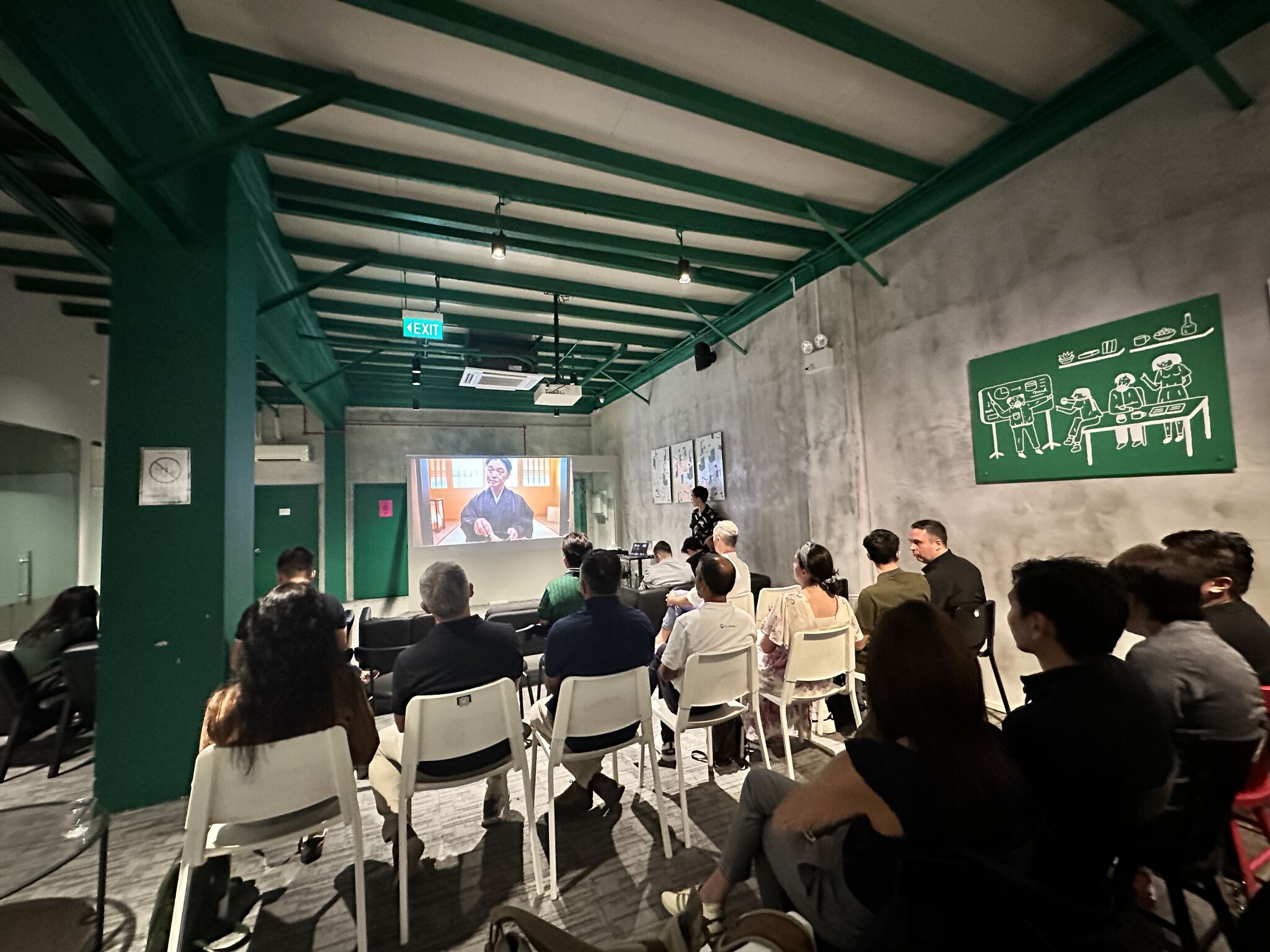
It was a Wednesday night at a local startup pitch event, and the room buzzed with excitement and ambition. Dozens of startups lined up to showcase their ideas, and three of our co-hosts, Natasha, Saloni, and Victoria were there as observers, eager to soak in the energy and innovation. What immediately struck us was a pattern that had been quietly emerging: a surge of AI-focused startups led by non-technical founders, without a Chief Technology Officer actually present that night.
This trend is easy to understand on the surface. AI has made technology more accessible than ever, allowing people without formal coding backgrounds to experiment with ideas using no-code or low-code platforms like Cursor, Copilot and others. Founders can now prototype quickly and even launch products without ever writing a single line of code. It feels empowering, almost magical.
But as we spoke to several founders, we realized that the magic often masks a deeper, more complex reality: building a sustainable, scalable tech product still demands serious technical leadership.
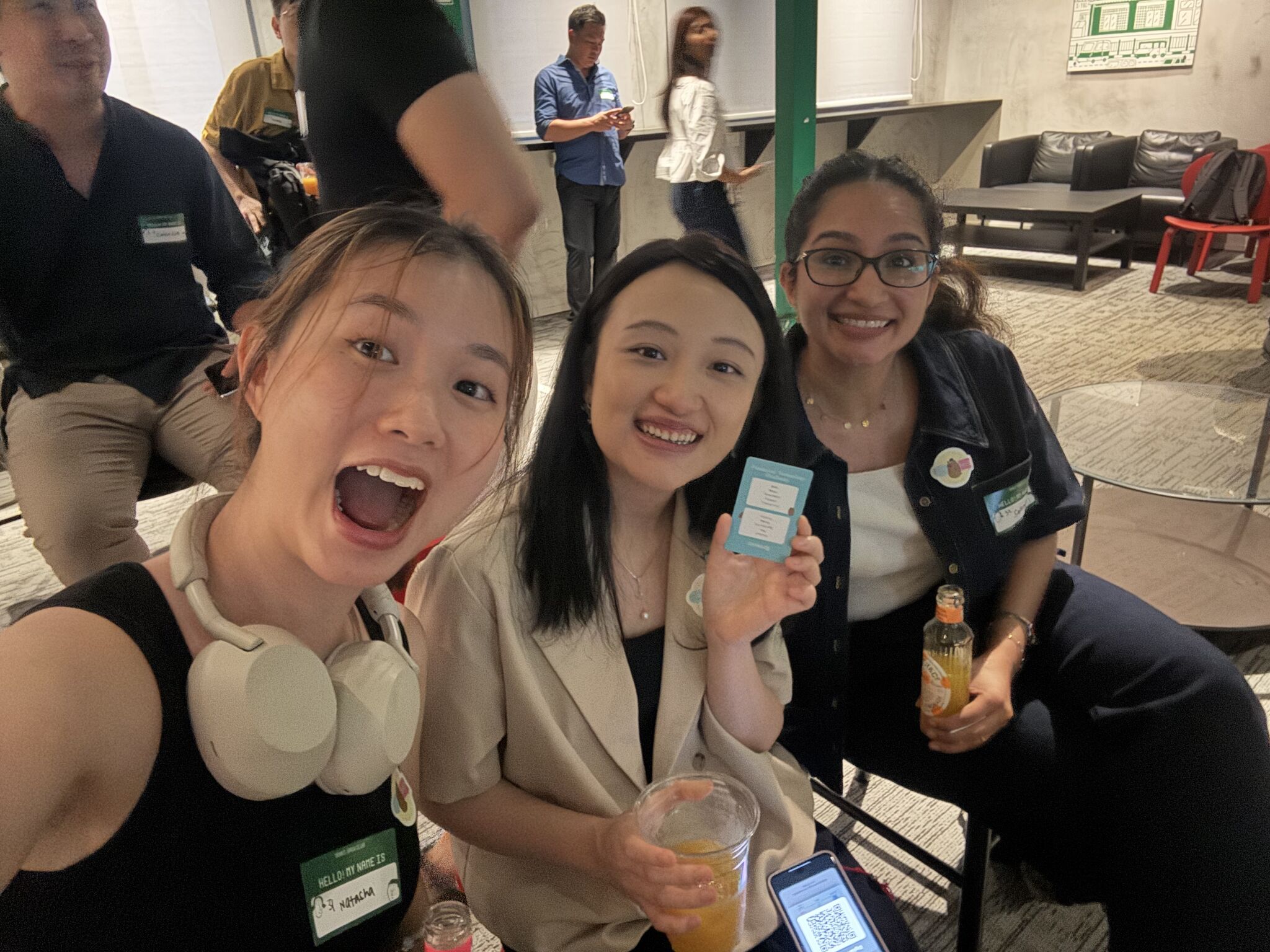
Many of the founders we spoke with had early prototypes, sometimes with a few users already onboard. They could show you a functioning app or a slick interface, but once it came to production readiness such as scaling, fixing bugs, or implementing critical features, they were out of their depth. Their CTOs had left, or they had never had one to begin with, and now they are realizing that a functional prototype is just the beginning of the long and arduous journey as a founder. They needed someone who could not only code but also think strategically about the product and its users.
Skills/Traits of a Good CTO
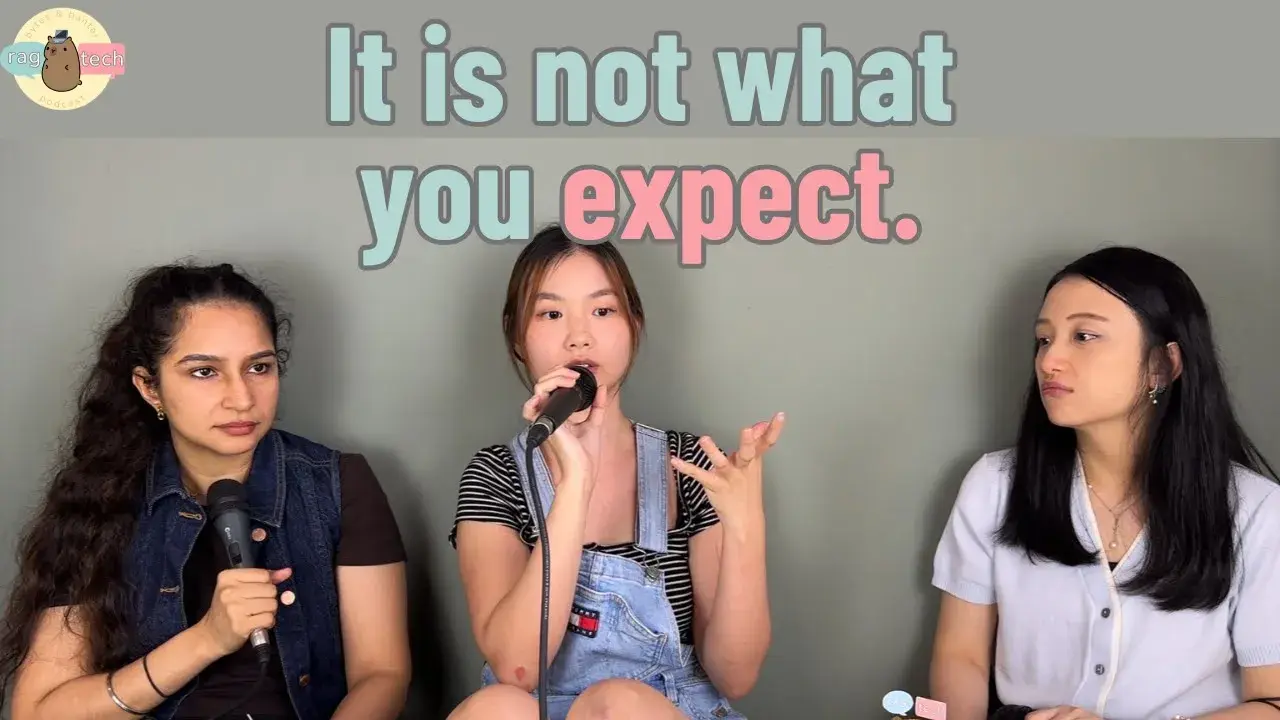
Inspired from that night, we recorded our episode "Why Finding a CTO is Harder Than You Think". The whole point of this episode is not to make non-technical founders feel discouraged, but rather share our perspectives on what makes a good CTO and the skills that non-technical founders should look out for when hiring one.
Finding such a person, as we shared in the episode, is far from straightforward. A CTO is not merely a senior engineer. This person must possess a mix of technical expertise, product thinking, and communication skills.
They must be able to prioritize features, manage technical debt, anticipate scaling challenges, and explain complex technical concepts to non-technical stakeholders. It's not a role that can be filled by someone who is only technically proficient. And most importantly, they must care about the product as much as the founder does.
Challenges of Finding a Good CTO
This challenge is further compounded by the rising expectations of investors. At the pitch night, we noticed investors asking highly technical questions, probing the architecture of AI solutions, and evaluating the feasibility of scaling plans. Non-technical founders, who once might have skirted around such questions, can no longer rely solely on their charisma or business acumen. In the era of AI startups, the technical credibility of the team is under intense scrutiny.
In many ways, finding a CTO today has become a "red ocean" problem. This business term describes a highly saturated market where competition is fierce, and differentiation is difficult. Every company is hunting for senior, capable technical leaders who can handle both code and strategy. For a founder, especially a non-technical one, identifying the right person is akin to navigating a crowded, shark-infested sea. It's not about a lack of talent as there are plenty of skilled engineers, but about aligning expertise, vision, and commitment with the startup's needs.

For technical people, the ask is equally daunting. Leaving a stable, high-paying role to become a CTO at an early-stage startup involves enormous risk. There's no guaranteed success, and the demands are multifaceted. The CTO might be expected to architect the platform, lead a small team, make critical decisions on tech stacks, and even engage with investors. All while wearing multiple hats in an environment where resources are limited and stakes are high. If you are a technical person who's reading this right now, would you be willing to do that?
All Hope is not Lost
One innovative solution emerging in response to this challenge is the rise of fractional CTOs. Much like lawyers on retainer, fractional CTOs offer their expertise part-time, advising multiple startups at different stages. They help founders with technical strategy, hiring, and foundational architecture without the full-time commitment of a traditional CTO. This approach can be a lifeline for non-technical founders who need guidance while searching for someone fully invested in the long-term vision.

But fractional CTOs come with their own nuances. They provide advice, not full ownership. Once initial technical groundwork is laid, the founders must still rely on their in-house team to execute. It can be a temporary solution, a bridge to stability, or a strategy to mitigate risk, but it does not replace the need for a deeply committed technical co-founder if the startup is to thrive.
What Non-technical Founders Can Do
Beyond the practicalities of finding technical leadership, there's a deeper issue at play: tech literacy. Non-technical founders often underestimate the complexity of engineering. They see no-code platforms and AI agents as complete solutions, believing they can skip the technical learning curve. But software engineering is not just coding; it's a discipline that involves architecture, testing, deployment, and scalability. A visually working app may conceal countless potential failures behind the scenes, from unhandled exceptions to data bottlenecks. Without understanding these fundamentals, founders risk launching products that cannot scale or survive investor scrutiny.

We often compare it to building a bridge. You can't just replace one segment without understanding the forces at play in the entire structure. Similarly, software is not merely a set of lines of code but an interconnected system that requires foresight and careful planning. Skipping these steps may seem faster in the short term, but it often leads to costly problems later.
From our perspective as tech practitioners, we also see parallels in our own journey. Natasha, Saloni, and I have been running ragTech for years, learning marketing, content creation, and audience engagement. And to be honest, these are skills far outside our original comfort zone as engineers.
It has been a steep learning curve, but the effort pays off in understanding the other side of the business and communicating effectively. Similarly, non-technical founders benefit immensely from gaining even a basic understanding of tech principles. It fosters clearer communication, shared vision, and ultimately, a more resilient product.
Why ragTech is here
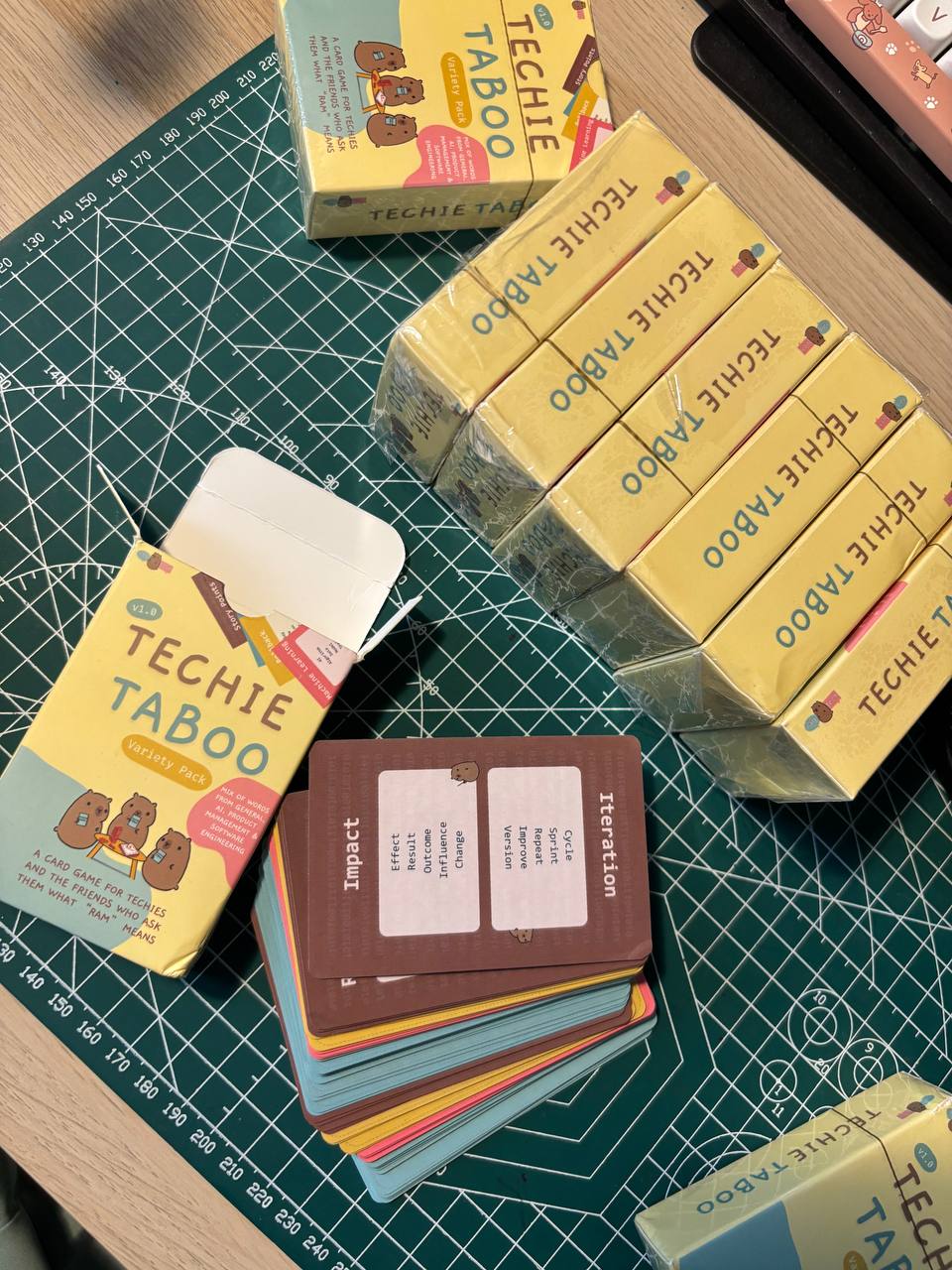
This is why our discussions on ragTech emphasize accessibility. We aim to simplify technology, making it approachable and fun, demystifying AI, software, and product concepts so that anyone can engage with them. Our mission is to show that tech doesn't have to be intimidating. Instead, it should be engaging, understandable, and even playful. We translate these insights into our work, whether it's our podcast episodes or interactive initiatives like our upcoming card game, Techie Taboo.
Do read about our full story on how we created Techie Taboo here
Techie Taboo invites players, especially tech enthusiasts, to explain complex tech terms without using the buzzwords themselves. It's a playful challenge that encourages deep understanding, communication, and collaboration. For founders and tech professionals alike, games like these highlight the importance of breaking down complexity into digestible, actionable knowledge. It’s learning by doing, and often by laughing along the way.
Our Key Takeaways
For anyone navigating the startup world today, the key takeaways are clear. First, the CTO role is more than a job; it’s a critical partnership for your product’s success. Non-technical founders must either secure a committed technical co-founder or at least engage someone capable of guiding the initial architecture strategically.
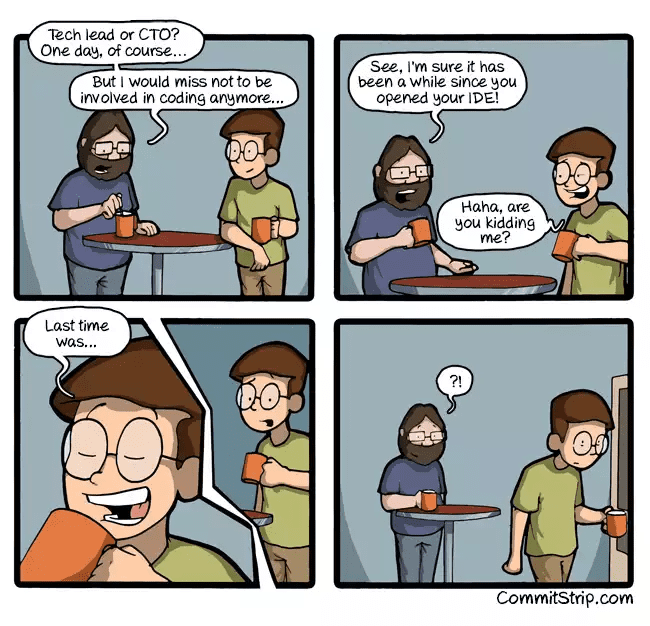
Second, tech literacy matters. Even a foundational understanding of engineering principles enables better decision-making, stronger communication, and a more aligned vision.
Finally, innovation requires patience and humility. Building something meaningful means acknowledging what you don’t know and seeking the right expertise rather than shortcutting complexity.
Conclusion
The rise of AI and no-code tools has undoubtedly lowered the barrier to entry for founders. But the deeper challenge of creating a scalable, sustainable, and technically sound product remains. For non-technical founders, the journey is not impossible, but it demands intention, learning, and a careful approach to assembling the right team.
At ragTech, we continue to explore these intersections of technology, business, and human behavior. We hope our conversations inspire both founders and tech professionals to navigate this landscape thoughtfully and with curiosity.
ragTech is a podcast by Natasha Ann Lum, Saloni Kaur, and Victoria Lo where real people talk about real life in tech. Our mission is to simplify technology and make it accessible to everyone. We believe that tech shouldn't be intimidating – it should be fun, engaging, and easy to understand!
Join our waitlist for our upcoming card game, Techie Taboo, where you can challenge yourself in a social game for techies to explain buzzwords without using the buzzwords!
✨WAITLIST here: https://ragtechdev.com/techie-taboo
✨RagTech Spotify: https://open.spotify.com/show/1KfM9JTWsDQ5QoMYEh489d
✨RagTech YouTube: https://www.youtube.com/@ragTechDev
✨Instagram: https://instagram.com/ragtechdev
✨Other Links: https://linktr.ee/ragtechdev
Recommended Articles


Subscribe to our newsletter!
Read articles from ragTech directly inside your inbox. Subscribe to the newsletter, and don't miss out.